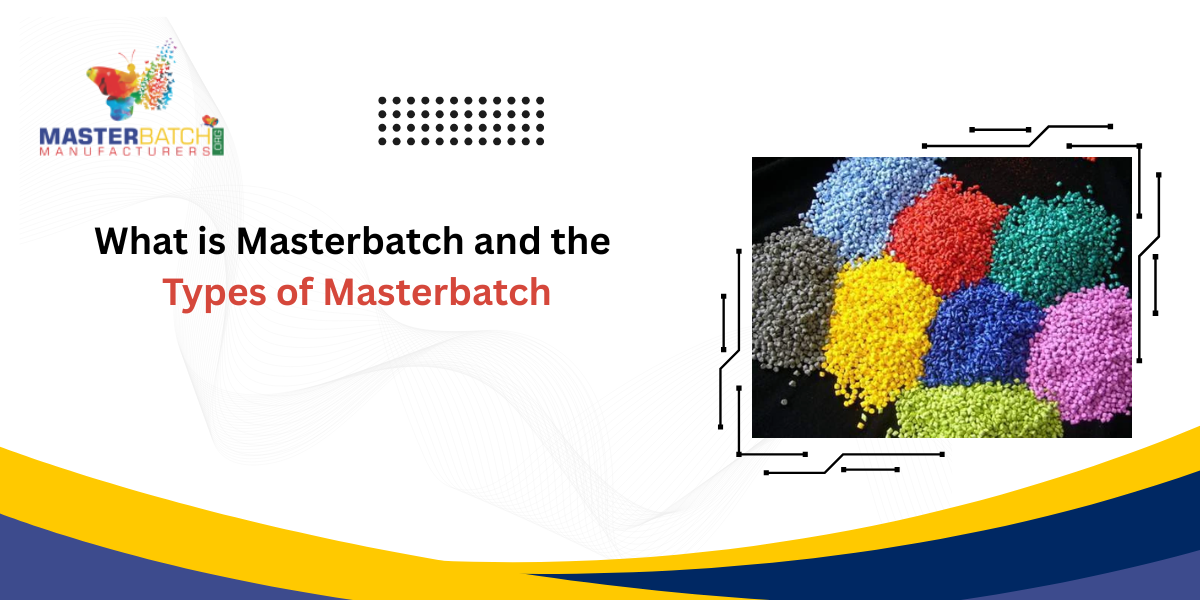

If you’ve worked with plastics, you know not all of them are the same. Some look brighter, last longer, or just perform better. A big part of that is Types of Masterbatch.
Masterbatch is basically a mix of pigments and additives combined with a carrier. Instead of using raw pigments—which can be messy and uneven—manufacturers use masterbatch to make life easier. It gives consistent color, improves durability, and sometimes adds extra features like UV resistance or flame protection.
Knowledge of the Types of Masterbatch is essential in determining which masterbatch will be ideal for your end product. This is because certain masterbatches cannot be used in any product; therefore, it becomes important.
Benefits of Masterbatch Usage
You may question why masterbatch is preferred instead of raw pigments. Well, using raw pigments has its disadvantages, such as:
- Irregular coloring results are produced
- Difficulties in handling pigment powders since they produce dust
- Longer mixing time
- Waste of certain materials
Using masterbatch eliminates all of these problems. The masterbatch is more convenient to handle, produces better outcomes, and improves strength or resistance to certain elements. That is why almost all manufacturers of plastics employ masterbatch.
Types of Masterbatch
Masterbatch comes in different types. Depending on what you want, different masterbatch types can be considered.
1. Color Masterbatch
The most common type of masterbatch is the color masterbatch.
You’ll see it in:
- Bottles and containers
- Packaging
- Household products
It’s simple but essential. If consistent color matters, colour Masterbatches is the one you’ll use the most.
2. Additive Masterbatch
The additive masterbatch focuses on the functionality of the product instead of its color.
It can have various uses, such as providing:
- UV protection,
- antistatic property,
- fire resistance,
- and preventing fogging.
The additive masterbatch is used where there is a need for durability and survival under extreme conditions.
3. White Masterbatch
White masterbatch mostly has titanium dioxide, making plastic materials white and opacified.
Some uses of white masterbatch include making:
- films,
- bottles,
- products requiring cleanliness.
In the Types of Masterbatch, it becomes necessary whenever appearance comes into consideration.
4. Black Masterbatch
Black masterbatch has a dark black appearance and provides UV protection as well.
Commonly found in:
- pipes,
- automobile products,
- black-colored packaging.
It is widely used because of its ability to give color as well as strength to the plastics.
5. Filler Masterbatch
The filler masterbatch is mainly focused on reducing production costs. It contains minerals like calcium carbonate, giving stiffness to the plastic material without increasing the cost much.
Uses of filler masterbatch include:
- mass production,
- stiffness needed,
- budget-friendly production.
How to Pick the Right Type
Choosing the right masterbatch depends on what you want from your product.
- Need color? Go with the color masterbatch
- Need extra performance? Additive masterbatch works best
- Need black or white? Use the dedicated types
- Want to save money? Filler masterbatch is perfect
The right choice makes production smoother and avoids problems later.
Why It Matters
Masterbatch is small but important. It affects production speed, product quality, and durability.
With the right Types of Masterbatch:
- Products have a consistent finish
- Defects are fewer
- Production runs smoother
- Wastage is minimized
The wrong choice? You’ll spend extra time fixing batches and adjusting machines.
Market Trends
Plastics are everywhere, so masterbatch demand keeps growing. Quality and efficiency are key today. Understanding the Types of Masterbatch will help you make wise choices and prevent any potential errors.
Conclusion
Masterbatch might appear insignificant, but it plays a critical role in your product. It influences everything from aesthetics to strength and additional functions.
An understanding of the Types of Masterbatch will enable you to choose the best option. Consequently, manufacturing will become smooth, uniformity guaranteed, and unnecessary hassles avoided.
You can also explore Masterbatch Manufacturers to find high-quality types of masterbatch designed to improve plastic performance and production efficiency.
Frequently Asked Questions
1. What is masterbatch?
Masterbatch is a blend of pigments and additives used to change the color or enhance plastics.
2. What are the Types of Masterbatch?
The main Types of Masterbatch include color, additive, white, black, and filler.
3. Why do I need these types?
Each Type has its unique application. Some are for aesthetics while others are for durability or cost-efficiency.
4. Is masterbatch superior to pigment?
Yes, it’s more convenient and effective than raw pigment.
5. How do I choose the appropriate type?
Consider your requirements in terms of color, functionality, or economy.
Follow us on Instagram for more updates on types of masterbatch, plastic manufacturing tips, and ways to improve product quality and efficiency.